
A message from our Clinical Director, Jillian.
Let's talk about Occupational Therapy... Supporting Independence at Home
At PhysioCare at Home, we often talk about strength, balance, and mobility — but what about your ability to do the things that matter most each day? That's where Occupational Therapy (OT) plays a powerful role.
Occupational Therapists focus on helping you participate safely and independently in your daily activities — like dressing, bathing, cooking, getting out into the community, or returning to meaningful hobbies. OT looks at the “fit” between you, your environment, and the task — because sometimes it's not about trying harder, it's about finding a better way.
When should you consider OT?
It may be time for an OT assessment if you notice increased difficulty with dressing, bathing, or toileting; more fatigue or pain completing everyday routines; avoiding outings or social activities because it feels “too hard”; near-falls at home or relying on furniture for support; trouble using your walker, cane, or bathroom equipment safely; or changes in memory, problem-solving, or confidence. A change in function — no matter how small — is worth paying attention to. Early support can prevent bigger problems later.
Mobility aids: tools for participation
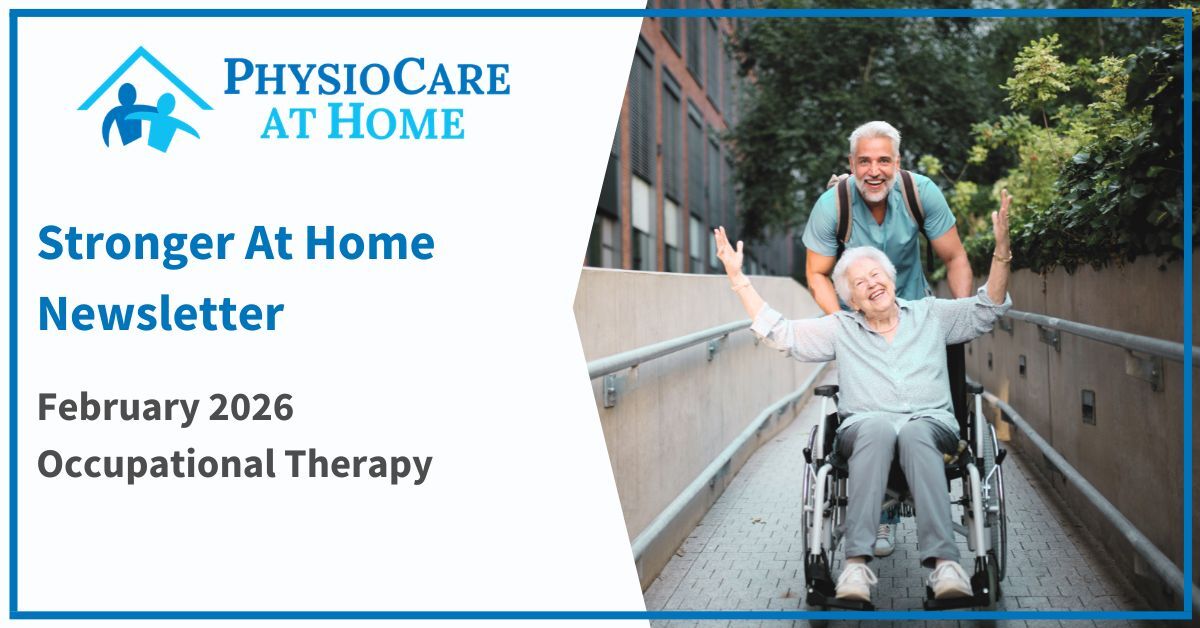
From an OT perspective, mobility aids are not just about getting from Point A to Point B — they are about accessing life. The right assistive device can reduce falls and unsafe compensations, improve independence, conserve energy for meaningful activities, and increase community access.
Sometimes, even if someone can walk short distances, it may not be safe or sustainable for daily life. If walking leaves you exhausted, in pain, or avoiding outings altogether, a wheelchair may actually increase your independence — not reduce it. The World Health Organization defines proper wheelchair provision as a comprehensive process including assessment, fitting, training, and follow-up to enhance mobility, health, and independence. It's not just about measurements — it's about understanding your goals, posture, home setup, transfers, skin integrity, and daily routines. The right equipment can mean the difference between dependent mobility and confident participation.
How our team works together
At PhysioCare at Home, our Occupational Therapists, Physiotherapists, and Kinesiologists work closely as a team. Physiotherapists focus on strength, balance, mobility, pain management, and fall prevention. Kinesiologists help you build endurance, consistency, and safe progression in your exercise program. Occupational Therapists ensure you can apply that strength and mobility safely within your real-life routines and home environment. When we combine these perspectives, we create a comprehensive plan that supports both movement and meaningful participation. Because improving strength is important — but being able to dress yourself, cook a meal, or confidently get out into the community is the ultimate goal.
If something in your daily life feels harder, less safe, or less enjoyable than it used to — don't ignore it. You may benefit from an OT assessment, or a collaborative plan with our PT and Kin team, and we would love to help! Currently, our PhysioCare at Home team provides Occupational Therapy in Halifax, Saint John, Calgary, and the Lower Mainland, BC.
Remember: Progress is Possible. Movement is Medicine. Consistency is Key. And Health is Wealth. Call us today for an individualized Assessment & Treatment Plan.
To Your Health,
Jillian
Physiotherapist & Clinical Director

Doing the things that matter most to you starts with movement — because Movement is Medicine!
Therapist's Corner: OT tips for everyday independence
- Think “energy budgeting.” Plan demanding tasks (like showering or outings) earlier in the day when your energy is highest. Alternate heavy and light tasks to avoid “boom–bust” fatigue cycles.
- Set up your environment for success. Keep frequently used items at waist-to-shoulder height to reduce bending, reaching, and climbing.
- Bathroom safety matters. Grab bars, raised toilet seats, non-slip mats, and proper lighting can dramatically reduce fall risk.
- Your mobility aid should fit YOU. If your walker feels too low, your wheelchair is uncomfortable, or your cane feels unstable, it likely needs adjustment — not abandonment. Ask an OT or PT to help!
- Sit to dress. Putting on pants or socks while seated reduces fall risk and conserves energy.
- Use the “nose over toes” strategy. When standing up from a chair, lean your nose over your toes before pushing up — this improves safety and efficiency.
- Break tasks into steps. Cooking a meal? Prep ingredients earlier in the day and cook later. Small steps build success.
- Reduce clutter = reduce risk. Clear pathways, secure rugs, and ensure good lighting — especially for nighttime bathroom trips.
- Protect your joints. Use two hands when lifting heavier items, slide objects instead of lifting when possible, and avoid prolonged gripping.
- Cognition counts too. Use calendars, written routines, pill organizers, and reminder notes to support memory and confidence.
- Wheelchairs are tools, not setbacks. The right equipment can increase independence, reduce fatigue, and expand your world.
- Participation is the goal. Whether it's gardening, church, cooking Sunday dinner, or playing with grandchildren — OT helps you stay engaged in what matters most.
Client Spotlight: Margaret
After breaking her hip, Margaret returned home feeling unsure of herself. The stairs felt steeper, the bathroom felt unsafe, and even simple tasks like making tea seemed overwhelming. She worried that one fall might mean losing the home she loved. Through in-home occupational therapy, Margaret received practical, personalized support right where she needed it most. Together, she and her therapist made small but meaningful changes — adding bathroom safety equipment, reorganizing the kitchen, and practicing everyday tasks like showering and navigating stairs safely. Each session focused on real-life activities, building strength and confidence at the same time. Within weeks, Margaret was moving with greater ease, preparing her own meals, and walking outside without fear. Great job, Margaret — you got your independence back!
Nutrition Tip: cooking made easier
The following cooking tips from an Occupational Therapist focus on making meal preparation safer, more efficient, and more enjoyable at home.
Set up your kitchen for success. Keep everyday items between waist and shoulder height; store heavy pots at counter level instead of low cupboards; use drawer dividers so tools are easy to grab; clear clutter to reduce fall risk and distractions.
Conserve energy while cooking. Sit on a sturdy stool for chopping or mixing; gather all ingredients before you start to reduce back-and-forth trips; use a slow cooker, air fryer, or sheet-pan meals; cook extra portions and freeze for low-energy days.
Make it easier on your hands. Choose knives with larger, cushioned handles; use a jar opener or electric can opener; place a damp cloth under your cutting board to prevent slipping; try pre-cut vegetables on flare-up days.
Improve kitchen safety. Always set a timer, even for short cooking times; use oven mitts that cover your wrists; ensure bright lighting over prep areas; consider induction cooktops if safety is a concern.
Simplify the process. Break recipes into clear, step-by-step tasks; read the full recipe before starting; keep a printed copy nearby; choose 3–5 simple “go-to” meals for busy weeks.
Recipe of the Month

Smoothies can be an excellent option for seniors — nutrient-dense, easy to prepare, and gentle to consume, and flexible enough to adjust for medical conditions, taste, or energy levels. On low-energy days, a smoothie can serve as a balanced meal with minimal prep. Check out these smoothie recipes from Alberta Health Services.