
A message from our Clinical Director, Jillian.
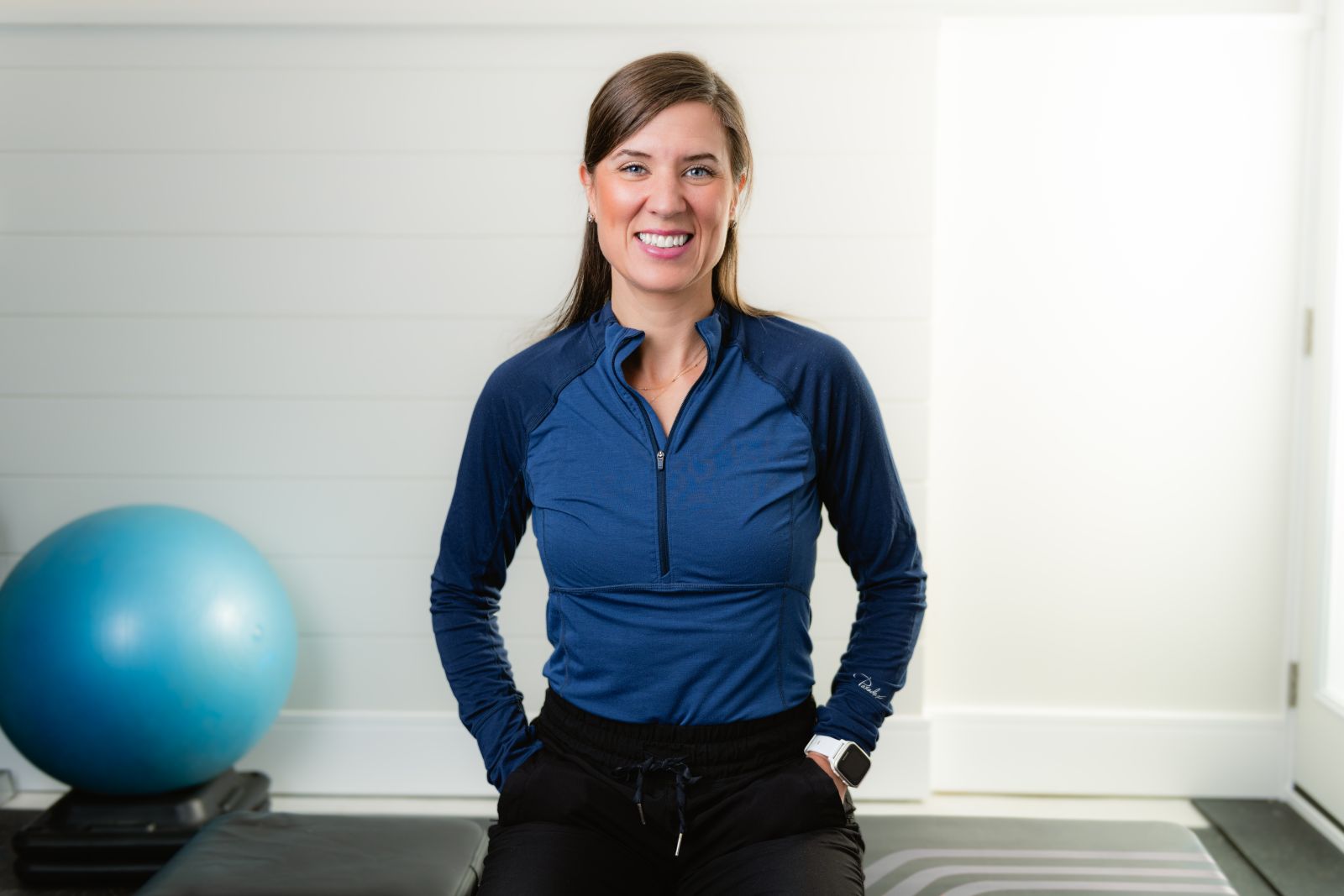
Let's talk about Kinesiology...
Did you know that PhysioCare at Home provides kinesiology services in many of the regions we serve, in addition to in-home physiotherapy and occupational therapy? But you may be wondering what exactly is kinesiology? Well, let's explore the difference between a Kinesiologist and a Physiotherapist.
A Kinesiologist is a professional who has completed a university degree in Kinesiology and is able to use their scientific knowledge of human movement to develop exercise programs. Kinesiologists can help people safely build strength, mobility, balance, and confidence — especially older adults or those with chronic conditions.
While there may be some overlap between kinesiology and physiotherapy, there are some important differences. Physiotherapists are highly regulated and have more extensive university & clinical training that enables them to diagnose and treat injuries, medical conditions, and complex mobility problems.
Here's a brief overview of what each can do:
Kinesiologists CAN:
- Perform functional movement and exercise assessments
- Develop and supervise therapeutic exercise programs
- Support chronic conditions such as Parkinson's, arthritis, stroke, osteoporosis, post-op recovery (once medically stable)
- Improve mobility, balance, walking, strength, and confidence
- Work independently or collaboratively with PT/OT
- Help clients maintain and progress after physiotherapy
Physiotherapists CAN:
- Assess & diagnose injuries and movement disorders
- Treat acute or complex medical conditions
- Develop rehabilitation plans for post-surgery, neurological conditions, fractures, cardiac events, etc.
- Perform manual therapy, joint mobilization, and other advanced clinical treatments
- Prescribe medical-grade rehabilitative exercise
- Educate & train caregivers and other professionals
PhysioCare at Home is thrilled to have an amazing team of registered & insured Kinesiologists who specialize in helping people build strength, balance, mobility, and confidence through safe, personalized exercise.

If you're wondering if you could benefit from working with one of our Kinesiologists, check out our website (In-Home Mobility & Strengthening for Seniors) or give us a call!
Whether your goal is to regain balance, prevent falls and injury, or simply feel more energetic and confident in your movement, this is the perfect time to begin. Kinesiology can be a great add-on to your current physiotherapy sessions, or can be used as a stand-alone service to help you build consistency with your exercise routine.
Our PhysioCare at Home team can help. Call us today!
Get an individualized Assessment & Treatment Plan with one of our amazing Therapists TODAY, so we can help both you and your loved one maintain your mobility, strength, independence and dignity.
To Your Health,
Jillian
Physiotherapist & Clinical Director

Our Kinesiologists can help you improve your balance and coordination, increase your energy and stamina, strengthen your muscles and joints, & boost your confidence and independence through a personalized, at-home exercise plan… proving that Movement is Medicine!
Therapist's Corner
Kinesiology is, at its heart, about helping people move with more ease, confidence, and comfort. In our mobile therapy community, it plays a special role because movement becomes even more meaningful when it's supported right in the place you feel safest: your home.
For our clients, working with a kinesiologist means having someone who truly understands how your body moves today and how it can move with the right guidance. The exercises are gentle, purposeful, and tailored to what matters most to you — whether that's getting up from a chair more easily, walking with better balance, or simply feeling stronger day to day.
For our physiotherapist team, kinesiology adds a trusted partner who can extend the work they're already doing. Kinesiologists help reinforce treatment plans, build consistency between visits, and keep clients motivated with programs that fit naturally into their home routines.
One of our current clients was working with both a physiotherapist and a kinesiologist following a hip replacement. She no longer requires physio for her hip but she has continued with the kinesiologist because she has noticed the value of exercising and wants to focus on full body strength, mobility, and balance.
One strategy our kinesiologists recommend is habit stacking. Habit stacking is the idea of adding a habit you are wanting to develop to something you already do regularly. For example, work on your balance while brushing your teeth. It gently builds on your existing routine, adding another area to strengthen and support.
It's important to note that Personal Trainers are not the same as Kinesiologists. Personal Trainers can provide general fitness workouts, coach & support fitness/health goals, working with generally healthy individuals who do not have significant medical concerns.
Client Spotlight: Howard
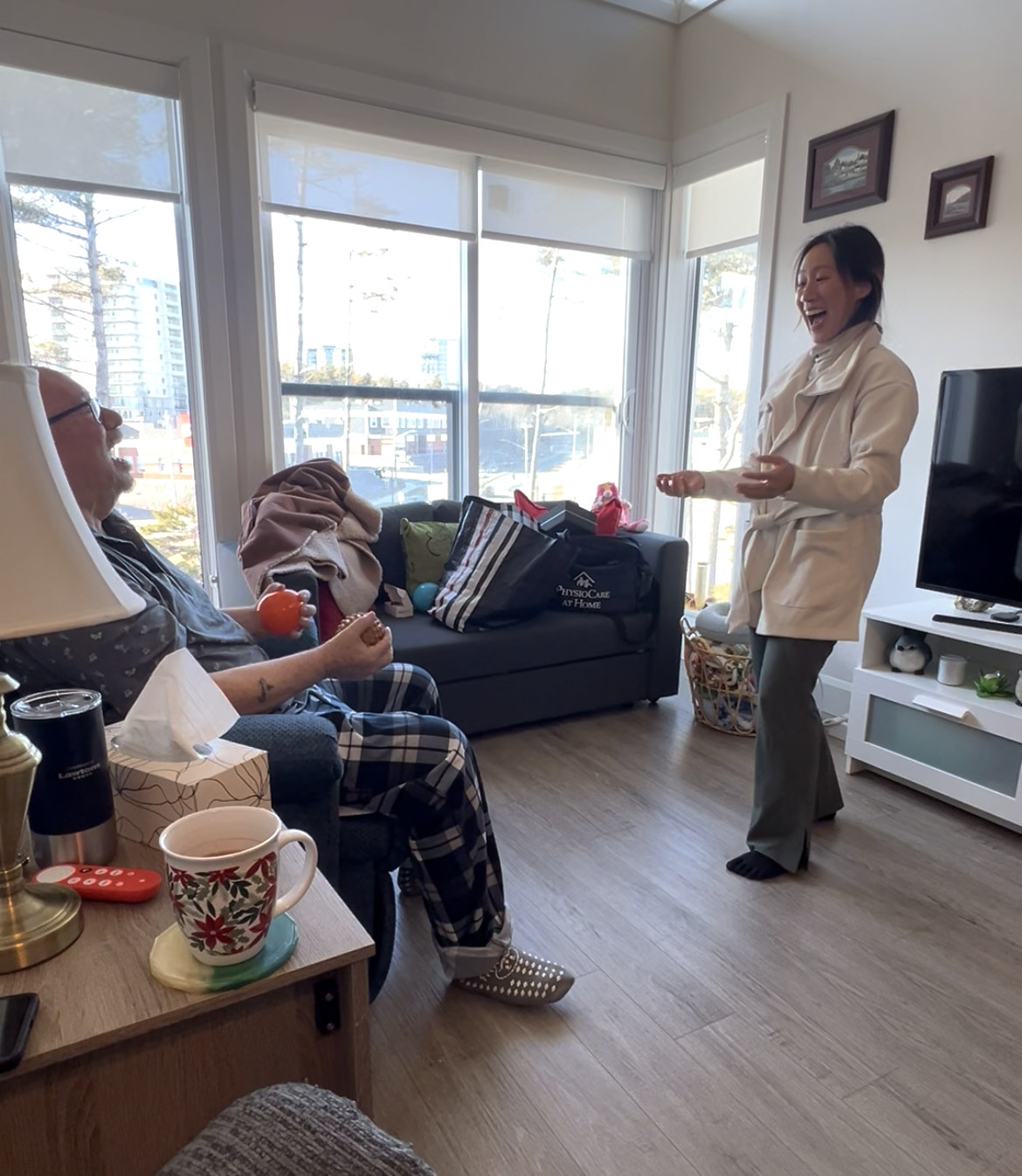
Nominated by his Kinesiologist, NaRae: Howard was recovering from a stroke and having trouble with his speech and mobility when he started working with NaRae. He has proven that Movement is Medicine as his strength and mobility have greatly improved — you can find him speeding through the hallways where he lives with his wife. He has also shown that Consistency is Key by having weekly sessions with NaRae for a year and a half. His speech has greatly improved, as evidenced by his constant joking around. Well done, Howard!
Check out the many free resources we have available on our YouTube page, like this Balance & Falls 10 Minute Workout. Learn more & start your exercise journey today at youtube.com/@strongerathome, including these Foundational Exercises for Older Adults.
Nutrition Tip: Mindful Snacking

Mindful snacking is all about slowing down and truly enjoying what you're eating — not restricting yourself. The holidays are full of special foods you only get once a year, so let yourself enjoy them with intention. Here are some mindful eating tips:
- Slow down and savour each bite. Notice the taste, texture, and smell of your food. When you eat slowly, you enjoy it more and naturally eat the right amount for your body.
- Check in with your hunger. Before grabbing a snack, pause and ask yourself: am I hungry, or am I bored, stressed, or just snacking because it's there? All answers are okay — just bring awareness to the moment.
- Portion what you want onto a plate. Instead of grazing from the table or bag, serve yourself a small portion. It helps you enjoy your snack fully without mindless overeating.
- Choose foods you truly love. Skip the treats you feel “meh” about and go for the ones you genuinely enjoy. Mindful eating is about satisfaction, not perfection.
- Let go of guilt. Holiday food is meant to be part of the celebration. Guilt leads to overeating — enjoyment leads to balance. Give yourself permission to have your favourites without judgment.
- Pair fun foods with nourishing ones. Enjoy your cookie or chocolate with something that supports your energy, like fruit, nuts, or yogurt. It keeps blood sugar steady and prevents crashes.
For more, read this Dalhousie dietitian's tips on mindful eating over the holidays and Eat, drink and be mindful — tips to curb holiday indulging.
Recipe of the Month
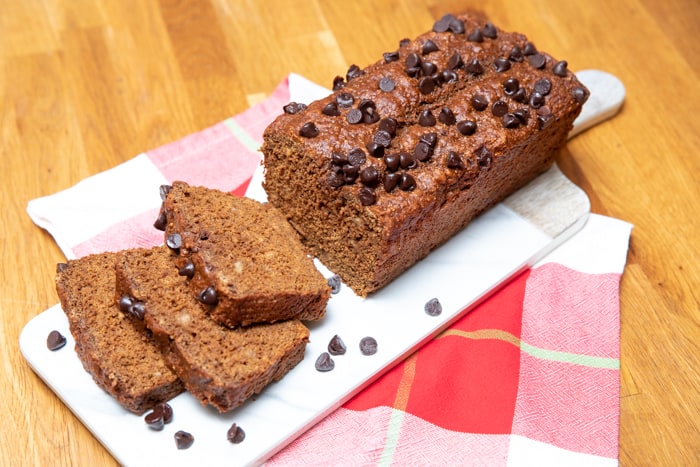
Try this Healthy Gingerbread Loaf recipe from Canadian dietitian Sarah Remmer.