

A message from our Clinical Director, Jillian.
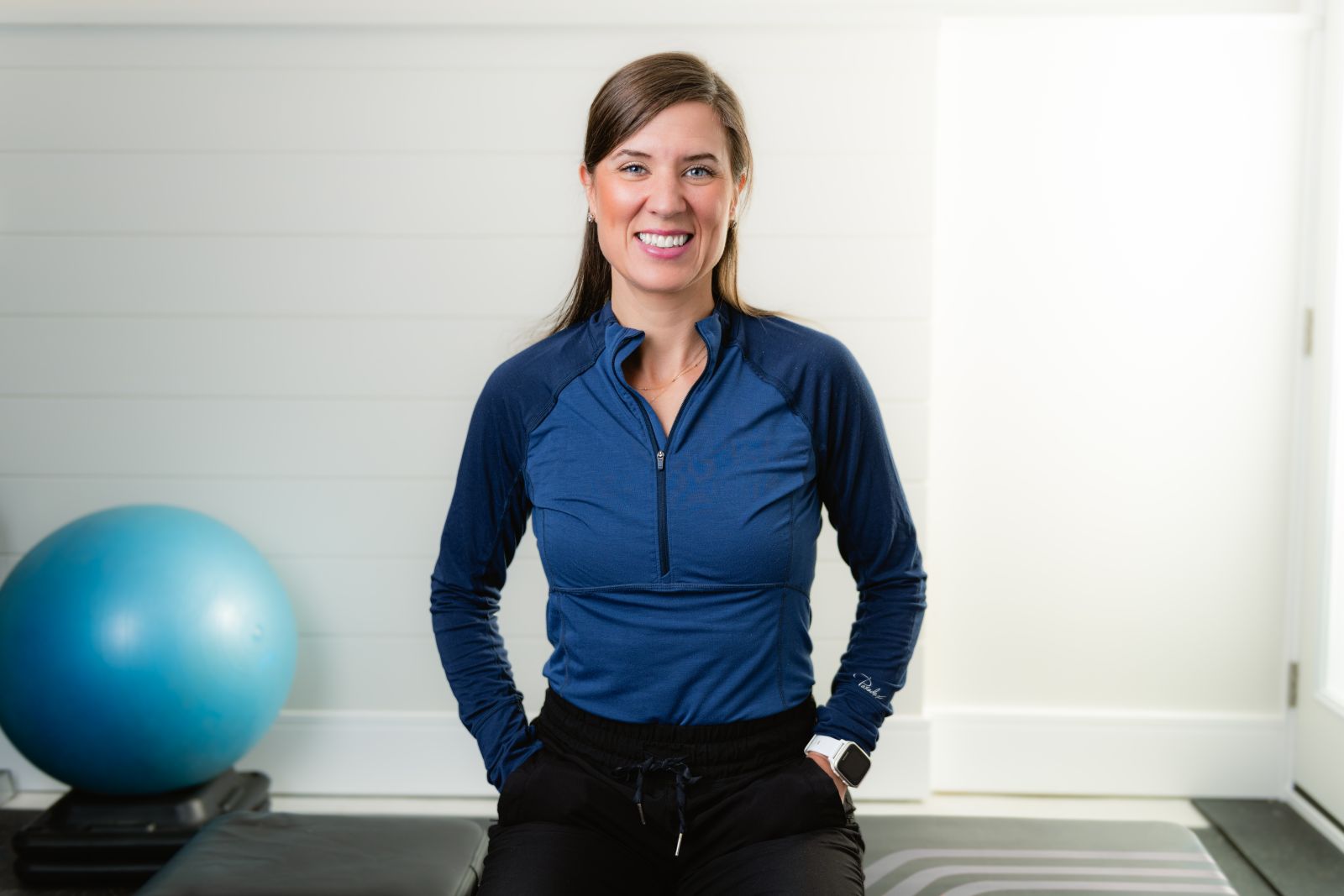
Let's talk about Bladder Health & Aging...
Bladder issues such as urgency, leakage, and frequent night-time trips are common with age — but they are NOT an inevitable part of getting older. There are ways to improve your bladder health and reclaim your confidence.
Bladder training & pelvic floor therapy work. Research consistently shows that bladder training and pelvic floor muscle training reduce leakage, improve bladder control, and enhance quality of life — even in people over 75.
Exercise benefits extend to the bladder. General physical activity supports bladder health by improving core strength, reducing constipation, and helping with weight management — all of which reduce pressure on the bladder.
Night-time trips are a red flag. Nocturia (waking often to urinate) isn't just bothersome — it's linked with higher risk of falls and frailty. A physiotherapist can help by addressing balance, strength, and mobility alongside bladder care.
So, the bottom line is this:
- Stay active: even daily walking helps bladder health.
- Practice pelvic floor exercises; a physiotherapist can check your technique.
- Limit bladder irritants like caffeine, carbonated drinks, & excessive evening fluids.
- Manage constipation — it places pressure on the bladder.
- Seek help early — bladder issues are treatable, not “just part of aging.”
Tip: If symptoms are severe, worsening, or accompanied by pain, blood in urine, or recurrent infections, it's important to consult a healthcare provider. Sometimes medication or other treatments are needed alongside retraining.
Get an individualized Assessment & Treatment Plan with one of our amazing Therapists TODAY, so you can keep moving in the right direction. Our PhysioCare at Home team can help — call us today.
Don't let your age or your current bladder challenges hold you back. With the right strategies, you can improve your bladder health & regain confidence, because Progress is Possible.
To Your Health,
Jillian
Physiotherapist & Clinical Director

With the right strategies, you can improve your bladder health & regain confidence, because Progress is Possible.
Therapist's Corner
- Do not be afraid to drink water. If you are not drinking enough water/fluids, your urine becomes more concentrated and irritates the bladder, often making incontinence problems worse. Stay hydrated by spreading fluids evenly through the day, avoiding large volumes at once.
- Avoid or limit common bladder irritants such as coffee, alcohol, fizzy drinks, citrus fruits, spicy foods, artificial sweeteners, cigarettes/tobacco and chocolate.
- Manage constipation. It is very common in older adults and can worsen bladder control. Prioritize fibre, fluids, and gentle movement.
- Practice regular toileting throughout the day to build pelvic floor health — avoid both waiting too long and the “just in case” trips, as those are unnecessary stresses for the pelvic floor muscles.
- Practice pelvic floor muscle training or “Kegels”: contract the pelvic muscles (as if stopping urine mid-flow), hold 5 seconds, relax 5 seconds, repeat 10 times. Aim for 3 sets daily.
- If you struggle with urge control, try to pause, sit if possible, do 3–5 quick pelvic floor squeezes and then walk calmly to the toilet.
- Develop nighttime strategies to avoid getting up too many times — limit fluids 2 hours before bed, elevate legs in the evening (to reduce fluid pooling), and empty your bladder before sleep.
- Make sure you have a safe bathroom setup: raised toilet seats, grab bars, or night lights may help reduce urgency-related accidents.
- Use a bladder diary to record voiding times, leaks, fluid intake, and triggers. This helps measure improvement and guides adjustments in retraining. Here is a downloadable bladder diary.
- Be patient & consistent. Bladder retraining can take 6–12 weeks to see consistent results. Stick to the plan even if setbacks occur — progress is possible but often gradual.
Client Spotlight: Steve

Steve's physiotherapist, Carmen, nominated him for this month's client spotlight:
Steve has worked very hard over the past few months to improve his mobility, strength, and stamina. With steady support from his amazing wife, he has made huge gains recently, allowing them both to get out more and enjoy their lives — Progress is Possible! Steve has a great sense of humour and is an absolute pleasure to work with.
Check out the many free resources we have available on our YouTube page, like this Balance & Falls 10 Minute Workout. Learn more & start your exercise journey today at youtube.com/@strongerathome, including our Foundational Exercises for Older Adults.
Nutrition Tip

For optimal bladder health, focus on a diet rich in whole grains, lean proteins, non-acidic fruits and vegetables like pears, bananas, and squash, and fiber-rich foods to prevent constipation. Healthy fats from sources like olive oil and avocados also support bladder function. Avoid bladder irritants, which can include alcohol, caffeine, acidic foods (like citrus fruits and tomatoes), artificial sweeteners, and spicy foods. Staying hydrated with water is also essential, while limiting sugary drinks.
Foods to include for bladder health:
- Fruits and vegetables: prioritize low-acid options such as pears, bananas, green beans, squash, potatoes, carrots, and berries.
- Whole grains: incorporate foods like oats, quinoa, and rice.
- Lean proteins: choose low-fat options such as chicken, turkey, fish (like salmon and trout), eggs, and nuts.
- Healthy fats: include olive oil, avocados, and flaxseed.
- Probiotics: opt for plain, nonfat yogurt to benefit the urinary tract with beneficial bacteria.
Foods and drinks to limit or avoid: caffeine (found in coffee and some teas), alcohol, acidic foods (citrus fruits and tomato-based products), artificial sweeteners (found in diet drinks and foods), spicy foods, and processed and fried foods (limit items like fried, charred, or canned meats and packaged goods).
Tips for better bladder health: stay hydrated (drink plenty of water, but avoid excessive intake of sugary or caffeinated beverages); manage fiber intake (a high-fiber diet helps prevent constipation, which can indirectly reduce bladder stress); and consult a healthcare professional, who can provide personalized guidance if you have a chronic condition like overactive bladder (OAB).
Butternut squash is generally considered beneficial for the bladder because it is low in acidity, rich in bladder-friendly nutrients like vitamin A and fiber, and can help maintain a healthy bladder lining and reduce irritation. It is a recommended food for individuals with overactive or sensitive bladders, as it is less likely to cause symptoms compared to acidic or spicy foods.
Recipe of the Month

Try this seasonal recipe for Roasted Butternut Squash & Shallots from the Urology Care Foundation.